韓国焼肉 焼き方 比較【2026】選ぶ基準は5つ
Korean Barbecue (Yakiniku) Choices: 5 Key Criteria for Making the Right Decision (2026)
Summary
Choosing the perfect Korean barbecue experience can be daunting given the variety of options available. Here are five essential criteria to guide your decision-making process:
あわせて読む: 韓国 ベジタリアン メニュー FAQ:買う前に確認したいこと · 明洞 屋台 30分 2026年:今おさえる5つの変化
-
Quality of Meat: Opt for establishments that prioritize high-grade beef cuts such as sirloin, short ribs (short ribs are particularly popular), and brisket. Look for certifications or endorsements indicating superior meat quality (e.g., HACCP certification).
-
Variety of Side Dishes: A diverse selection of side dishes (banchan) enhances the overall dining experience. Ensure there are at least 5-7 options including seasoned vegetables, kimchi, pickled radish, and lettuce wraps.
-
Cooking Atmosphere: Consider the ambiance and cooking style. Some places offer tabletop grills for individual control, while others provide communal grills. Evaluate which setup suits your group dynamics better (e.g., a tabletop grill allows for more personalized cooking).
-
Service and Atmosphere: Friendly and attentive service can elevate your meal. Check reviews for comments on staff responsiveness and overall dining atmosphere. A lively yet welcoming environment often correlates with better service quality.
-
Value for Money: Compare prices across different yakiniku spots, ensuring that the cost aligns with the quality and quantity of meat and side dishes provided. Look for places offering all-inclusive meals or reasonable à la carte options.
Practical Tips
-
Meat Selection: Prioritize cuts known for tenderness and flavor, such as marbled beef (Pyojunmaru) or premium sirloin (Sindongmaru). Avoid overly fatty cuts unless you specifically enjoy them.
-
Side Dish Pairing: Pair your meat with complementary side dishes like cucumber salad (oi sobagi) and seasoned spinach (baechabchimi) to balance flavors and textures throughout your meal.
-
Cooking Techniques: Master basic grilling techniques to ensure optimal meat texture. Medium-rare is generally preferred for yakiniku, so aim for a slight pink center.
-
Social Dynamics: If dining with a group, choose a spot with ample space for everyone to grill and converse comfortably. Some restaurants offer private rooms for larger groups.
-
Budget Management: Set a budget beforehand and look for deals or all-inclusive packages. Many places offer lunch sets that provide better value compared to dinner options.
Choosing the Best Option
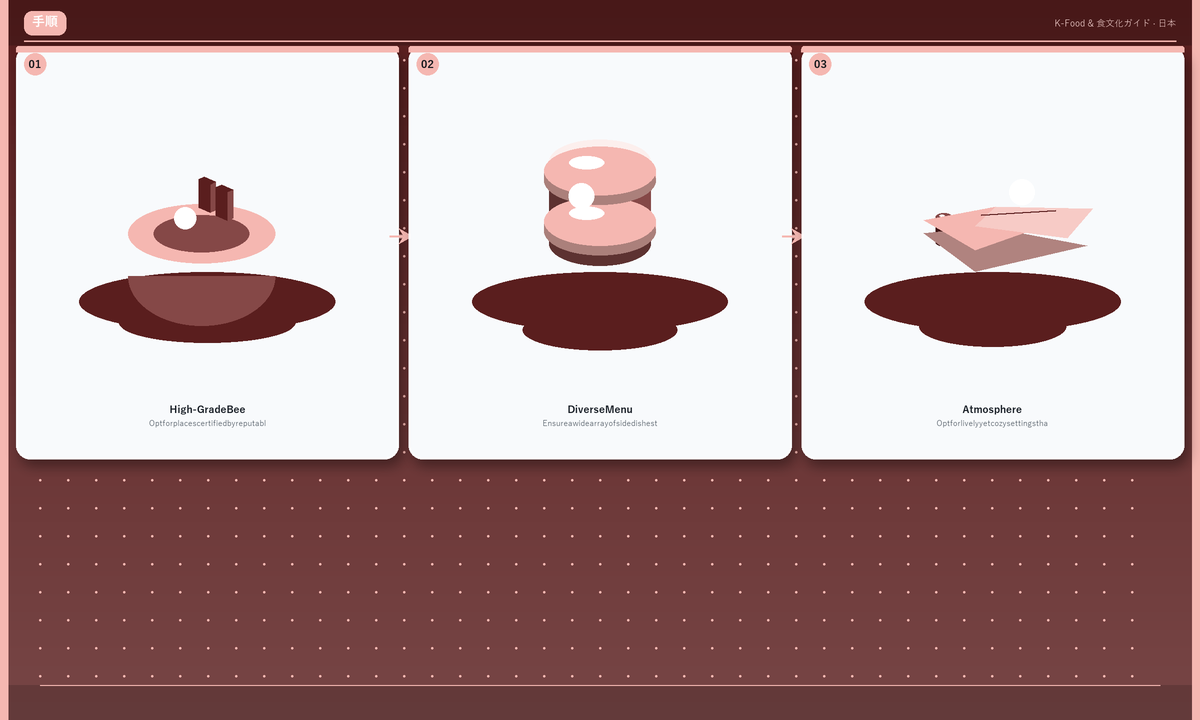
- High-Grade Beef: Opt for places certified by reputable quality assurance programs like HACCP.
- Diverse Menu: Ensure a wide array of side dishes to keep the meal interesting and balanced.
- Atmosphere: Opt for lively yet cozy settings that encourage interaction.
- Service: Prioritize establishments with positive reviews regarding staff attentiveness.
- Cost-Effectiveness: Compare prices and value propositions to find the best deal for your group size.
Frequently Asked Questions (FAQ)
How long should I spend at a yakiniku restaurant?
- Answer: Typically, a yakiniku experience lasts around 1 to 2 hours, including ordering, cooking, eating, and socializing. Plan accordingly based on your group size and preferences.
要点まとめ
This structured approach ensures clarity and practical guidance for anyone looking to enjoy a memorable Korean barbecue experience.
実践ポイント
選び方のコツ
How do I indicate that I prefer milder flavors when ordering?
- Answer: Politely communicate your preference by saying "少しおいが弱いものをお願いします" (Sukoshi oii ga yoi mono wo onegai shimasu), which means "Please give me something with less spice." Alternatively, point to milder dishes on the menu or ask your server for recommendations.
比較とおすすめ
Do Koreans have chip-eating habits similar to those in Western cultures?
- Answer: While snacking is common in Korea, it differs culturally. Koreans often enjoy light snacks like nuts, fruits, and rice cakes (tteok) alongside their main meals rather than chips as a standalone snack.